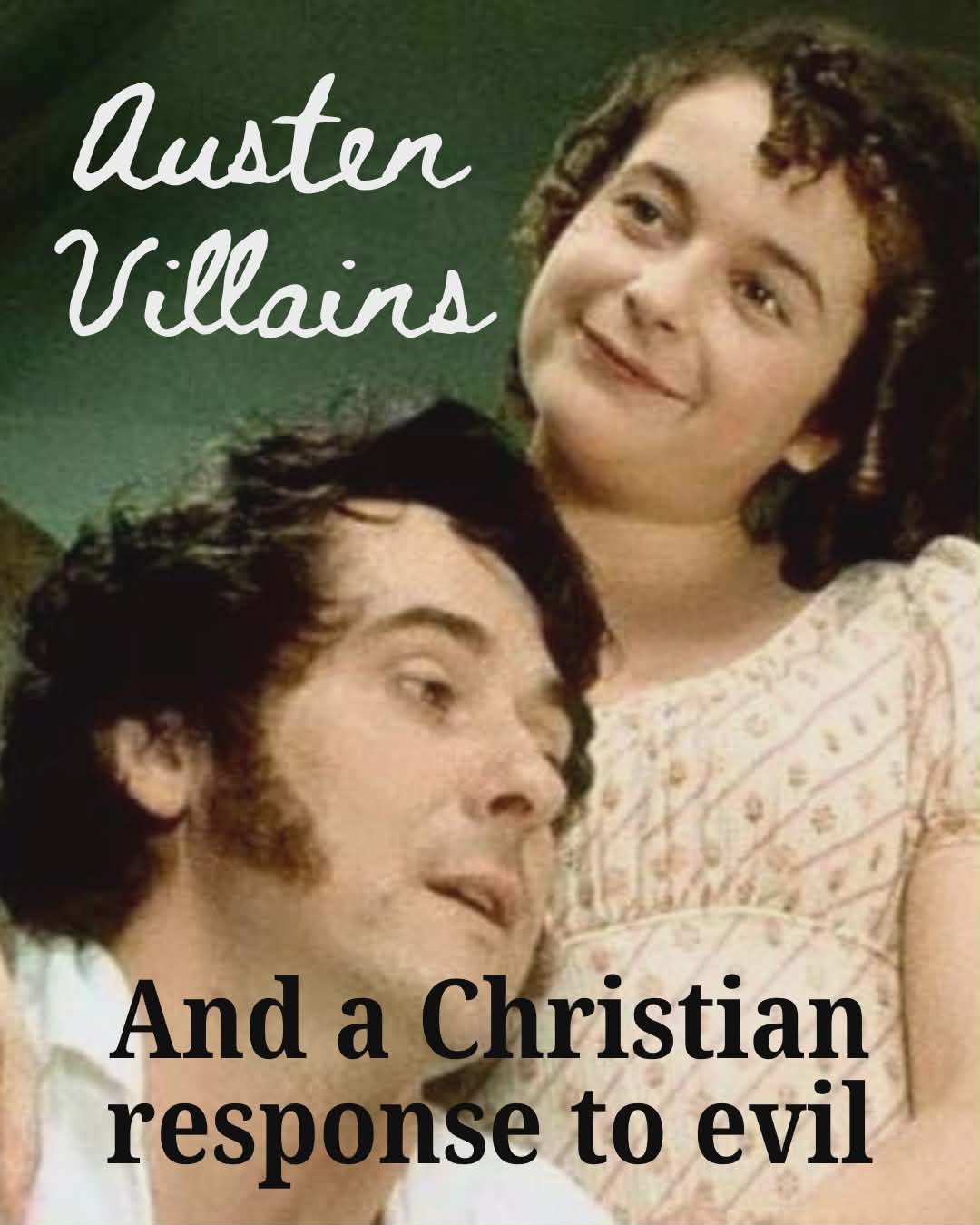
The release of the Epstein files has forced many of us to consider—what do we do in the face of evil? When do we make it our business, and when do we look away? When do we gather every explicit detail, and when do we leave that job for someone else? When do we share what we know, and when do we stay quiet?
My mind couldn’t help but go to the villainous Mr. Wickham of Jane Austen’s Pride and Prejudice. Although the trail of disaster that he left behind isn’t a direct comparison to what is going on in the world today, there are some similarities. It was, however, the response of those who discovered his true character that had me contemplating.

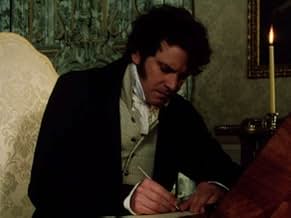
If you know the story, you’ll remember that Mr. Wickham, a ward of Mr. Darcy’s father, squanders the inheritance that was left to him. When Mr. Darcy refuses to give him more money, Wickham attempts to steal some of the Darcy fortune and get revenge by eloping with Mr. Darcy’s 15-year-old sister, Georgiana. In this instance, his plans were foiled.
We first learn of these events, and of Wickham’s true character, in a letter that Mr. Darcy writes to Elizabeth. Mr. Darcy tells her about Wickam’s misdeeds in order to defend his own character after Elizabeth turns down his marriage proposal—partly because she believed Wickam’s lies, which painted Mr. Darcy as the villain. I guess the moral here is to get our facts straight before we jump to conclusions about a person’s character. There are a lot of accusations going around the Internet today. We need to make sure we know the truth before we share anything.
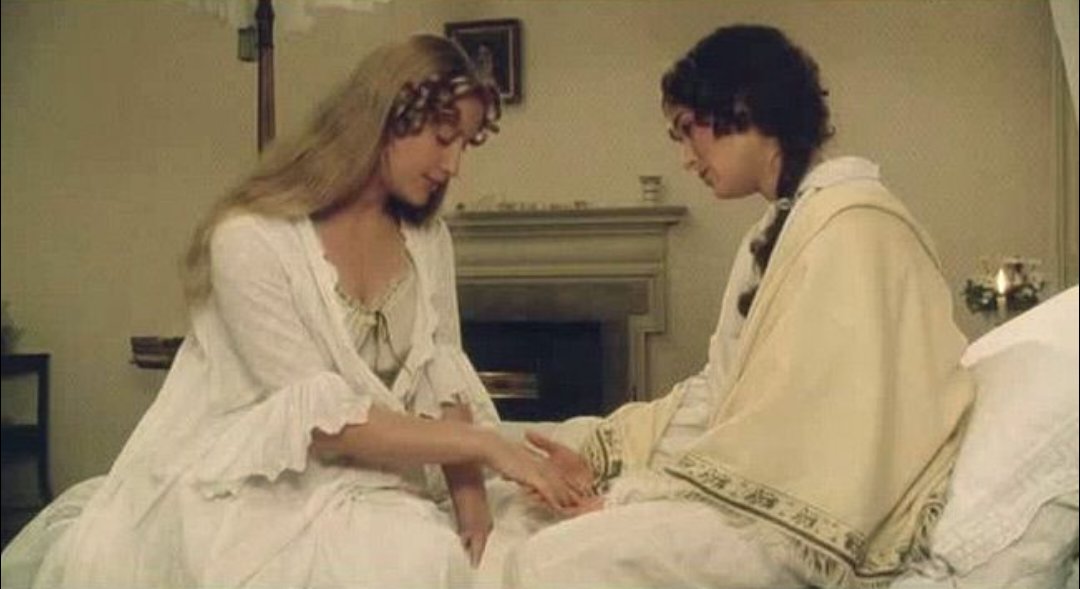
When she returns home, Elizabeth shares the shocking story with her trusted sister, Jane. When we’re unsure if we should speak out, it’s wise to choose one trusted person and ask their help to decide. We should note, however, that while the girls discuss Wickam’s squandering of the money and attempted elopement with Georgiana, they do not linger on the sordid details or try to find out more. They knew it happened, and that is enough. Unless there is a specific reason that we need to find out more, I think that should be our response, too.
“I want you to be wise about what is good and innocent about what is evil.” – Romans 16:19 ESV
The girls also discuss whether or not they should tell their family and friends about Wickham’s past. They are concerned about gossiping, harming innocent parties, and betraying a confidence. Jane says, “Surely there can be no occasion for exposing [Mr. Wickham] so dreadfully.”
Elizabeth seems less concerned for Wickham’s feelings, but says, “every particular relative to his sister, was mean to be kept as much as possible to myself.” Along with not wishing to betray Mr. Darcy’s confidence, she doesn’t wish to drag Georgiana’s name through the mud along with Mr. Wickham’s. She also believes that as Mr. Wickham is so popular, no one would believe anything bad that she says about him. Unfortunately, the girls’ decision not to tell anyone about Wickham’s true character nearly cost their own youngest sister—and themselves—a happy future.
Soon after, Wickham successfully disappears in the night with Lydia, Elizabeth and Jane’s 15-year-old sister. What was so wrong with eloping? Technically, Wickham did not break the law. In England at that time, the age for consent to marry was a mere 12 years old. However, we should consider God’s law as well as man’s. Such a match was looked down upon when it lacked parental blessing. Not only that, but as we know, it was not even marriage that Wickham had in mind. Though we later learn that Lydia believed they were actually going to elope, they were discovered living together in London—unmarried. Thanks to the help of Mr. Darcy and the Bennet’s uncle, Lydia was “saved” from the life of an outcast when Mr. Wickham was all but forced to marry her (though how good this was for her, I am not so sure). If they had not married, then not only Lydia’s, but the reputation of all the Bennet girls would have been ruined. They would have been basically unmarriageable—especially to anyone of good standing in the community. So apart from the immorality of the situation, Wickham’s actions showed dishonor toward Lydia’s entire family.
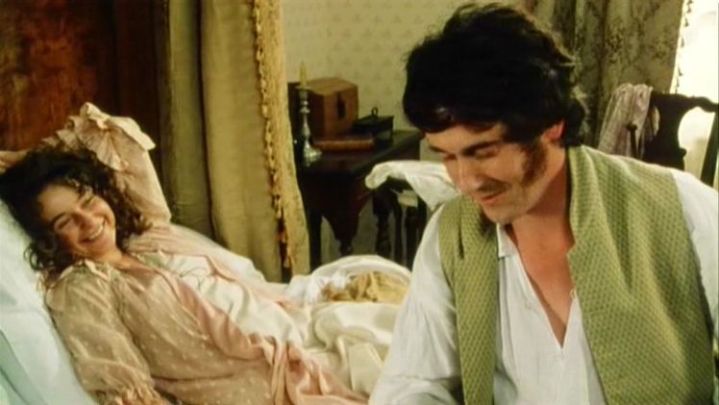
And it’s not only Wickham’s attempts to run away with these young girls that speak against him. “All Meryton seemed striving to black the man . . . He was declared to be in debt to every tradesman in the place, and his intrigues, all honored with the title of seduction, had been extended to every tradesman’s family.” It seems many in the community had formed a bad opinion about Wickam, but none of it came out until Lydia’s disappearance.
I found myself thinking how much could have been prevented if someone—Mr. Darcy, Elizabeth and Jane, or even one of the tradesmen from Meryton—had spoken up and shared what they knew of Wickham’s character sooner. Perhaps Lydia would have begun to think badly of Wickham. Perhaps Elizabeth would not have turned down Mr. Darcy with such vehemence. Perhaps further tradesmen would have not lost so much money. Perhaps other young ladies in the village wouldn’t have been toyed with as they were.
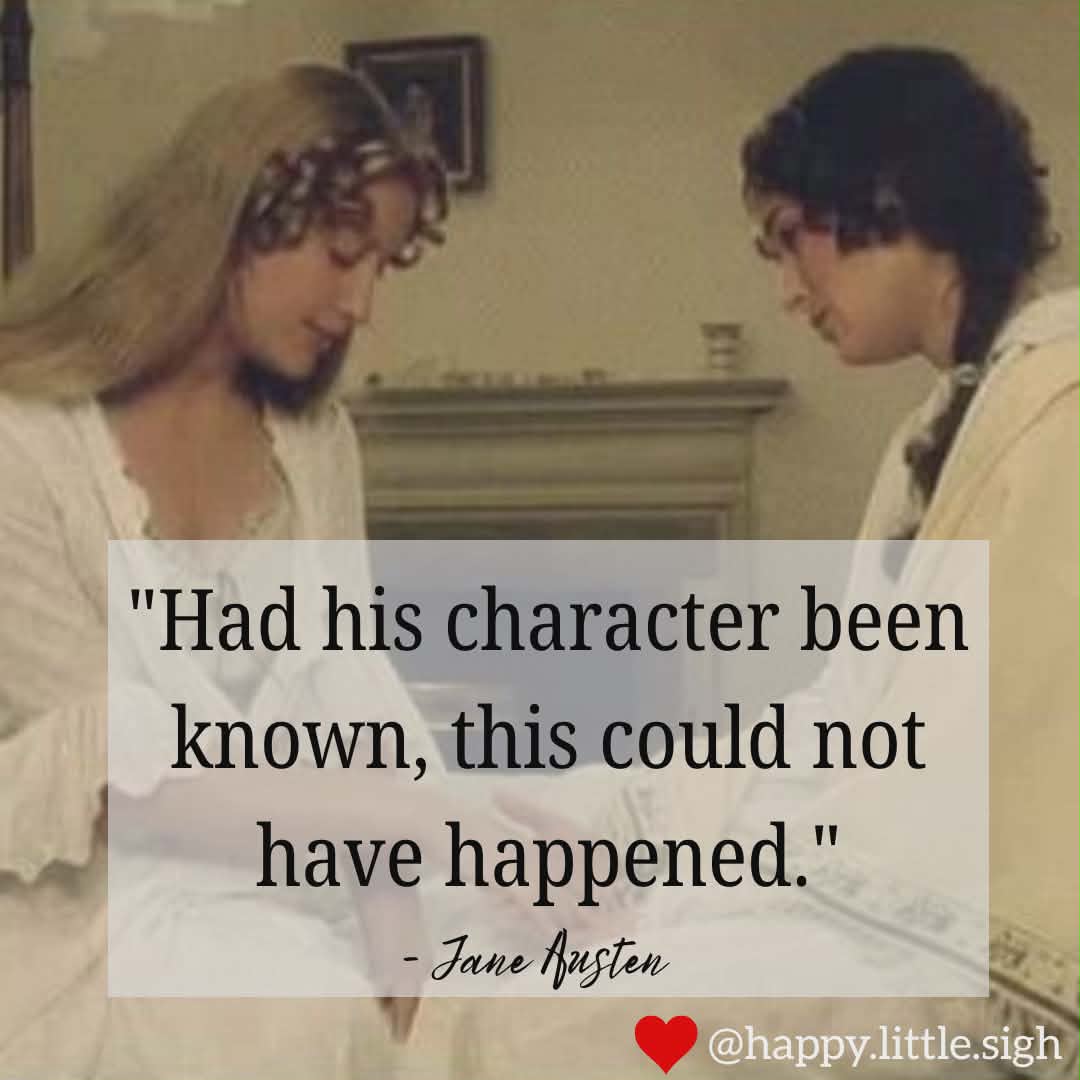
But exactly what details about Wickham should have been shared, and to whom? In the Bennet’s case, no one (except perhaps Kitty) knew of Lydia’s preference for Wickham. In real life, as well as in fiction, it can be hard to decide when to share information. We do see that both Elizabeth and Darcy realize that their silence directly permitted Mr. Wickham to continue harming more people. Elizabeth laments, “When I consider that I might have prevented it! I, who knew what he was.” Mr. Darcy says, “I was wrong. I ought to have my situation known at the time.”
It’s true, when we see someone do something that is dishonest, unjust, harmful, or dangerous, we do need to consider whether or not it is our responsibility to share the information and to whom we should share it. Too often sin is covered up, allowing the person to continue in their harmful ways. Then there are times when we simply don’t need to say anything, and to do so would be mere gossip.
What we need to remember foremost is that God is a God of truth and justice, and that it is our responsibility to follow God’s example in this way. Christians should lead the way in promoting truth and justice!
“Take no part in the unfruitful works of darkness, but instead expose them.” – Ephesians 5:11 ESV
God also calls us to defend the weak and the needy.
“Learn to do good; seek justice, correct oppression; bring justice to the fatherless, plead the widow’s cause.” –Isaiah 1:17 ESV
“Speak up for those who cannot speak for themselves, for the rights of all who are destitute. Speak up and judge fairly; defend the rights of the poor and needy.” – Proverbs 31:8-9 ESV
If you find yourself in the situation of knowing about wrongdoing and aren’t sure what action to take, DO follow Elizabeth’s example by consulting a wise and trusted friend without discussing or prying for unnecessary, sordid details that will only degrade your own mind. And DO ask yourself the following questions about the information you have about a person–
- Is it a crime?
- Could someone be harmed if I stay silent?
- Is this person in position of authority, where trust is essential?
- Am I telling the right people (police, pastor, parent, etc.)?
- Do I need to confront the person directly? (Galatians 6:1)
- Do I have my facts right? (Exodus 23:1)
- Am I sharing the information only with people that need to know?
- Am I the right person to share this information? Is it my news to tell?
- Is my motivation to help someone or to attack someone’s character?
- How can I share this information safely?
If we have the ability to stop evil and prevent harm, then it is our responsibility to do so, in the right way and to the right person. In the case of Mr. Wickham, he got off far better than he deserved. Thankfully, our “dearest, loveliest Elizabeth” and “dear Jane” got their happy ending, despite everything. I hope in the case of the horrendous goings on in our news today, that evil is exposed, justice is served, and that the hurting find true healing.
Avonlea xo
Learn to love mornings & grow in faith . . .
Bookish devotionals for busy moms. Sign up here FREE
Connect with me on Instagram/Facebook @happy.little.sigh
Happy Little Sigh
Homemaking Inspiration from Literature ❤❤








 happy little sigh